
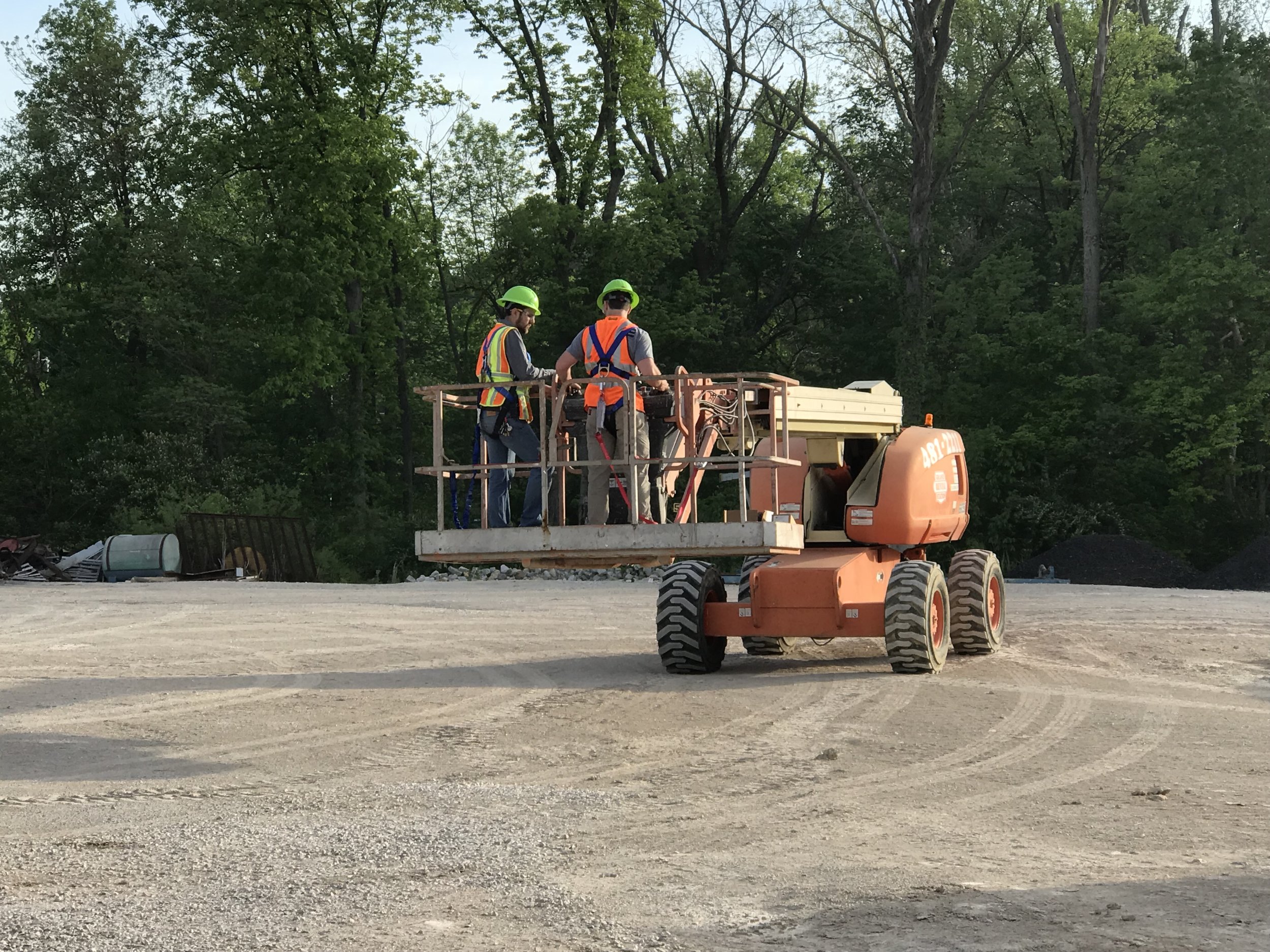
Safety trainings offered by VET

-
Avoiding Unsafe Acts training helps employees recognize at-risk behaviors that lead to workplace incidents, injuries, and near misses. This safety training focuses on hazard awareness, human factors, situational awareness, and personal accountability. We provide engaging training that reinforces safe work practices and OSHA expectations, helping employees make better decisions on the job. Our training services promote a proactive safety culture—giving employers confidence that unsafe acts are identified and corrected before accidents occur.

-
Confined Spaces training prepares employees to safely identify, evaluate, and work around permit-required and non-permit confined spaces in accordance with OSHA standards. This training covers atmospheric hazards, entry procedures, monitoring, rescue considerations, and roles and responsibilities. We deliver clear, compliant training tailored to your facility’s confined spaces. Our approach helps reduce serious injury risks while giving employers peace of mind that employees understand how to work safely in confined environments.

-
Bloodborne Pathogens training educates employees on exposure risks, transmission routes, and protective measures required by OSHA. This training covers universal precautions, personal protective equipment, exposure response, housekeeping practices, and post-exposure procedures. We deliver compliant, role-specific training that helps protect employees from infectious materials. Our training services provide confidence that employees understand how to reduce exposure risks and respond safely to potential incidents.

-
Emergency Eyewash training teaches employees when and how to properly use emergency eyewash and shower stations following chemical or physical eye exposures. This training reinforces OSHA requirements, ANSI standards, response timing, and maintenance awareness. We provide practical, easy-to-understand training that prepares employees to respond quickly during an exposure incident. Our services help facilities protect employee health while ensuring emergency equipment is used correctly when it matters most.

-
Cutting Torch and Hot Work training focuses on fire prevention, equipment safety, and hazard controls associated with welding, cutting, and brazing operations. This training covers hot work permits, fire watch responsibilities, gas handling, and OSHA requirements. We provide structured training that reduces fire and burn risks while reinforcing safe operating practices. Our services help ensure hot work is performed safely, consistently, and in compliance with safety standards.

-
Fire Safety training teaches employees how to recognize fire hazards, respond to workplace fires, and properly use fire extinguishers under OSHA guidelines. This training covers fire classes, extinguisher types, PASS technique, evacuation considerations, and emergency response roles. We provide clear, hands-on-focused training that improves readiness and confidence. Our services help facilities reduce fire risks while ensuring employees know how to respond safely during emergencies.

-
Cold Environment training prepares employees to recognize and prevent cold stress hazards such as hypothermia, frostbite, and cold-related injuries. This training addresses PPE selection, exposure limits, environmental conditions, and safe work practices. We deliver practical training designed for outdoor and cold-storage environments. Our services help protect employee health while giving employers confidence that cold weather hazards are properly managed.

-
Electrical Safety training helps employees understand electrical hazards, safe work practices, and OSHA requirements related to energized equipment. This training covers shock hazards, arc flash awareness, lockout principles, and safe use of electrical tools. We provide clear, role-appropriate training that reduces the risk of electrical injuries. Our services ensure employees understand how to work safely around electricity while maintaining regulatory compliance.

-
First Aid training equips employees with the knowledge to respond effectively to workplace injuries and medical emergencies. This training covers basic injury response, bleeding control, shock recognition, and emergency communication. We provide OSHA-aligned training that supports emergency preparedness and workplace safety programs. Our services help ensure employees can respond calmly and effectively—providing reassurance that help is available when incidents occur.

-
Compaction Equipment training focuses on the safe operation of compactors and balers used in commercial and industrial environments. This training covers machine hazards, guarding, lockout procedures, and safe loading practices. We provide targeted training that reduces crushing and entanglement risks while reinforcing OSHA expectations. Our services help facilities operate compaction equipment safely and confidently.

-
Emergency Action Plan training ensures employees understand emergency procedures, evacuation routes, alarm systems, and response roles as required by OSHA. This training prepares employees to respond to fires, severe weather, medical emergencies, and other incidents. We deliver clear, facility-specific training that reinforces preparedness. Our services give employers confidence that employees know exactly what to do during an emergency.

-
Forklift Operation training prepares operators to safely operate powered industrial trucks in accordance with OSHA standards. This training covers load handling, stability, inspections, pedestrian safety, and operating conditions. We provide compliant training for operators and impacted employees. Our services help reduce forklift accidents while ensuring operators are trained, evaluated, and confident in their responsibilities.
-
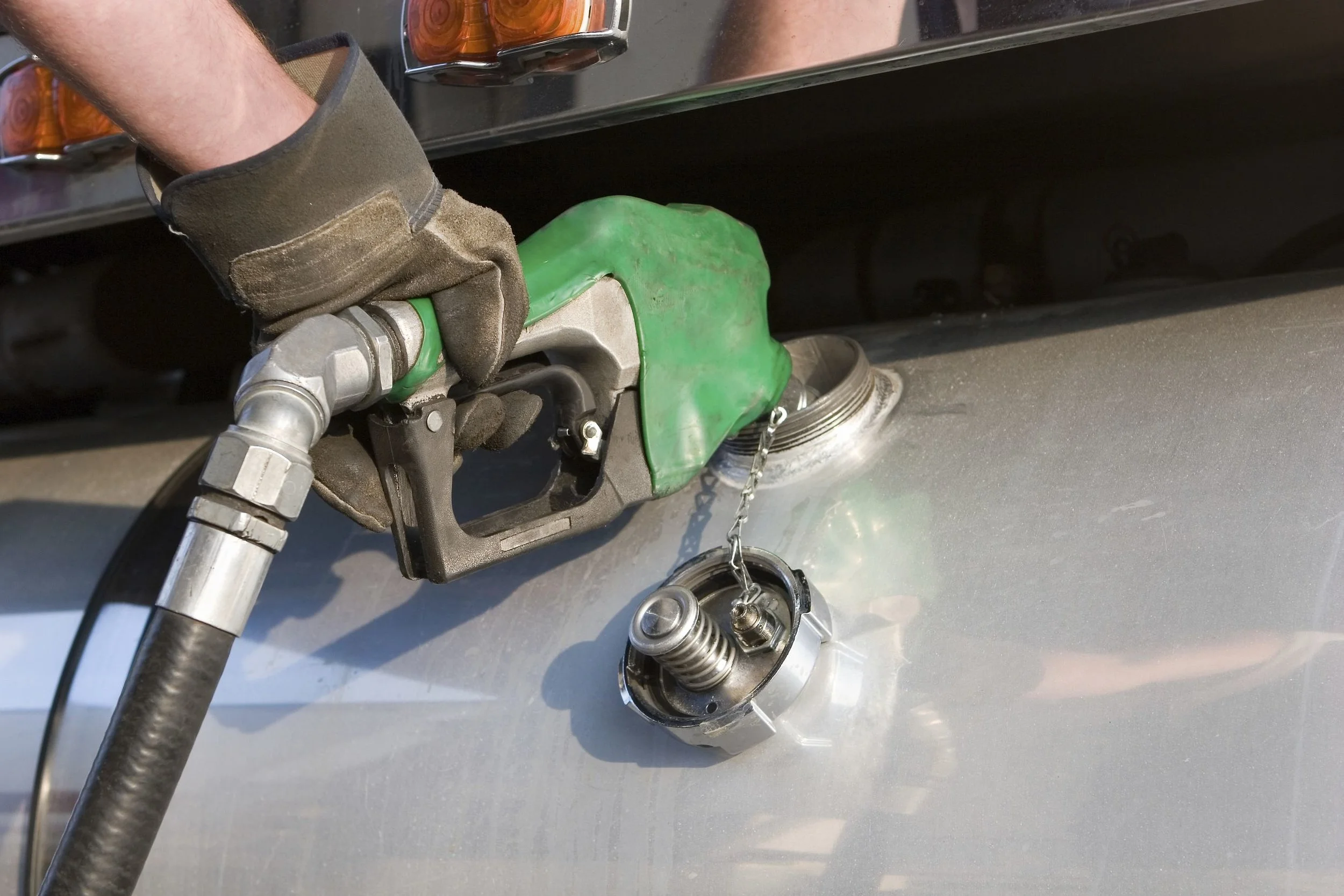
Fueling Safety training addresses hazards associated with fueling equipment, vehicles, and machinery. This training covers flammable materials, spill prevention, ignition sources, and emergency response procedures. We deliver practical training aligned with OSHA and fire safety requirements. Our services help reduce fire and environmental risks while ensuring fueling operations are performed safely and consistently.

-
General Waste Management training helps employees safely handle, store, and dispose of workplace waste materials. This training addresses hazard recognition, container management, housekeeping, and regulatory considerations. We provide clear training that supports OSHA compliance and environmental best practices. Our services help facilities reduce injuries, maintain clean workspaces, and manage waste responsibly.

-
Lockout Tagout training teaches employees how to control hazardous energy during equipment servicing and maintenance in accordance with OSHA standards. This training covers lockout devices, procedures, roles, and verification steps. We deliver role-specific training for authorized and affected employees. Our services help prevent serious injuries while giving employers confidence that energy control practices are properly understood.

-
Winter Driving training prepares employees to safely operate vehicles during snow, ice, and cold weather conditions. This training covers defensive driving techniques, vehicle preparedness, braking, visibility, and emergency response. We provide practical training focused on real-world driving hazards. Our services help reduce collision risks while ensuring employees travel safely during winter conditions.
Safety Plans Offered by VET

-
An OSHA Hazard Communication Standard (29 CFR 1910.1200) Plan ensures employees understand the chemical hazards present in their workplace and how to work safely around them. A compliant HazCom Plan includes a chemical inventory, Safety Data Sheets (SDS), proper container labeling, and employee training requirements. Our Hazard Communication consulting services take the complexity out of chemical safety by developing a facility-specific written HazCom Program that meets OSHA and state requirements. We help your organization maintain compliance, reduce exposure risks, and protect employees—so you can focus on operations with confidence that your chemical safety program is covered.

-
An OSHA-compliant Emergency Action Plan (29 CFR 1910.38) outlines the procedures employees must follow during workplace emergencies such as fires, chemical releases, severe weather, or medical events. A proper EAP defines evacuation routes, emergency reporting procedures, alarm systems, and employee responsibilities. We develop customized Emergency Action Plans tailored to your facility layout, operations, and workforce. Our consulting approach ensures your plan is practical, easy to follow, and fully compliant—providing peace of mind that your employees know what to do when seconds matter most.

-
High-voltage lithium-ion batteries present unique fire, electrical, and thermal runaway hazards in commercial and industrial settings. A Lithium-Ion Battery Management Plan helps facilities address OSHA electrical safety requirements, fire prevention practices, storage protocols, charging procedures, and emergency response planning. We create site-specific battery management plans that align with OSHA standards, NFPA guidance, and manufacturer recommendations. From safe handling to incident preparedness, we help you manage lithium-ion battery risks proactively—reducing liability and protecting people, property, and operations.

-
A PPE Hazard Assessment Plan is required by OSHA (29 CFR 1910.132) to identify workplace hazards that necessitate use of personal protective equipment. This plan documents hazard evaluations, required PPE selections, employee training, and certification of assessments. Our PPE consulting services include conducting or documenting hazard assessments and developing a clear, compliant written plan tailored to your tasks and work environments. We ensure your PPE program meets OSHA expectations while helping employees stay safe and comfortable—giving you confidence that hazards are properly evaluated and controlled.

-
An OSHA Respiratory Protection Plan (29 CFR 1910.134) is required when employees are exposed to airborne contaminants or use respirators. This plan addresses respirator selection, medical evaluations, fit testing, training, maintenance, and program administration. We design comprehensive respiratory protection programs customized to your facility’s hazards and job tasks. Our consulting services simplify compliance by delivering a complete written plan that protects employee health and minimizes regulatory risk—so you can breathe easier knowing your respiratory program is handled correctly.

-
A Refrigerant Management Plan helps facilities comply with EPA Clean Air Act requirements and OSHA safety considerations related to refrigerant use, storage, and leak prevention. Proper management reduces environmental impact, prevents accidental releases, and protects employees from exposure hazards. We develop refrigerant management plans that address equipment inventory, leak response procedures, training, and recordkeeping. Our experts help ensure compliance while reducing operational risk—giving you confidence that refrigerants are managed safely and responsibly.

-
An OSHA Lockout/Tagout Plan (29 CFR 1910.147) protects employees from hazardous energy during equipment servicing and maintenance. A compliant plan includes energy control procedures, employee training, device requirements, and periodic inspections. We create detailed, equipment-specific LOTO programs that align with your machinery and workflows. Our consulting services remove the guesswork from energy control compliance, helping prevent serious injuries while ensuring your facility meets OSHA requirements with confidence.

-
Compressed gas cylinders pose risks related to pressure, chemical exposure, and physical handling. A Compressed Gas Cylinder Safety Plan outlines proper storage, handling, transportation, inspection, and emergency response procedures in accordance with OSHA standards. We develop customized plans that address the specific gases used at your facility and how employees interact with them. Our approach helps reduce accidents, improve compliance, and ensure your workforce can safely handle compressed gases—giving you peace of mind that these hazards are controlled.

-
A Preventive Maintenance Plan supports workplace safety by ensuring equipment is properly inspected, maintained, and repaired before failures occur. Preventive maintenance reduces mechanical hazards, unexpected downtime, and safety incidents while supporting OSHA general duty requirements. We help facilities develop structured maintenance programs that document schedules, responsibilities, and recordkeeping practices. With our consulting support, you gain a proactive system that protects employees, extends equipment life, and keeps operations running smoothly.

-
An OSHA Bloodborne Pathogens Plan (29 CFR 1910.1030) is required for workplaces where employees may be exposed to blood or other potentially infectious materials. The plan outlines exposure controls, engineering controls, PPE, training, vaccination policies, and incident response procedures. We develop tailored Exposure Control Plans that reflect your specific job roles and risks. Our consulting services ensure compliance while helping protect employee health—so you can feel confident that biological hazards are properly managed.
