

How can we help you?
Discovering contaminated soil or groundwater on your property can leave you wondering what needs to be done and how much it will cost. VET provides environmental remediation services to help you understand the problem and develop a practical path forward. From environmental investigation and remediation planning to cleanup oversight, regulatory coordination, and site closure, we tailor our services to your property, your goals, and your budget—providing the work you need, no more and no less.
-
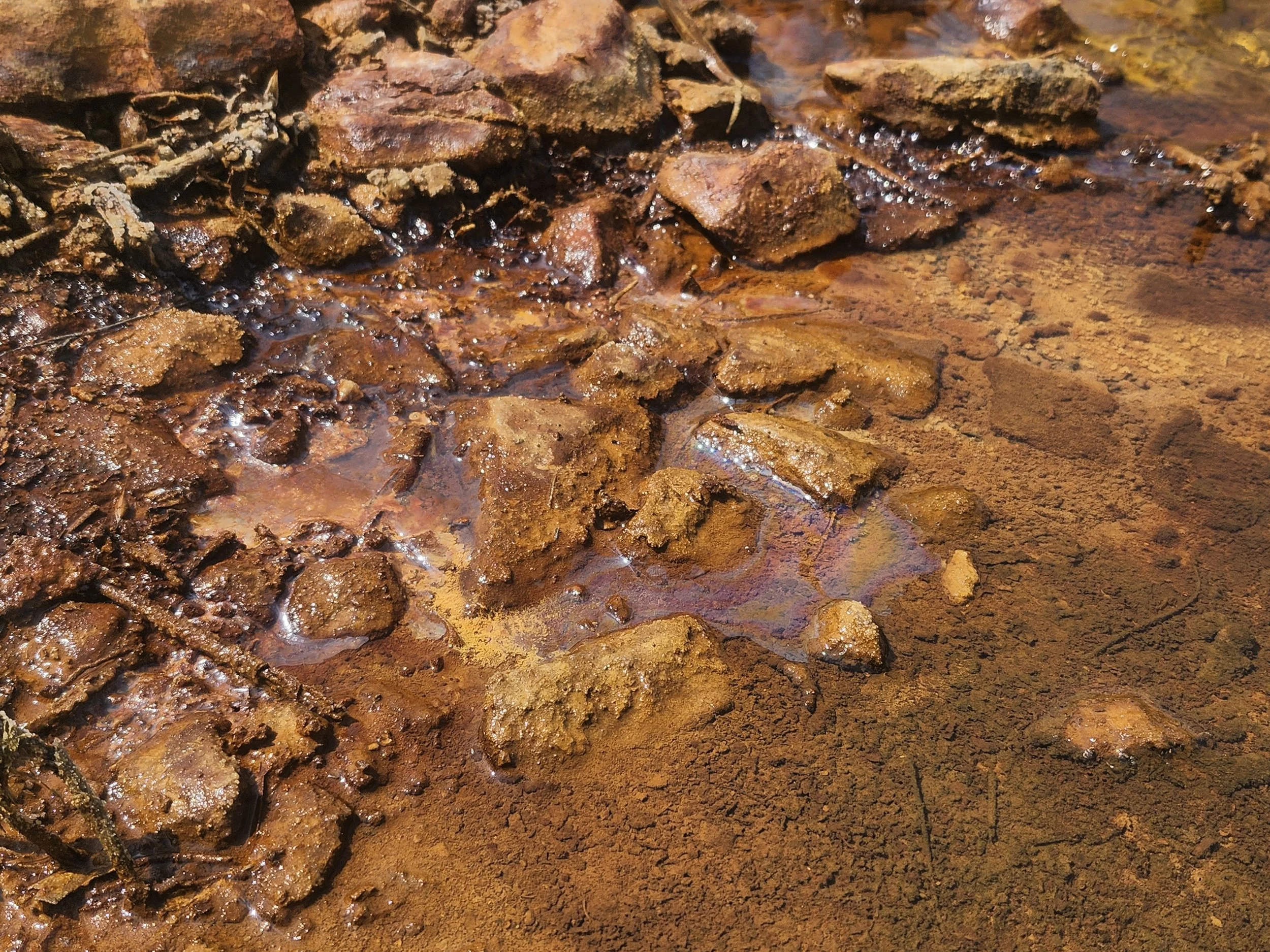
Soil and groundwater remediation is the process of addressing environmental contamination that may affect human health, the environment, or the use of a property. Contamination can result from spills, leaking storage tanks, dry cleaning operations, industrial activities, or historical disposal practices. Depending on the site conditions and applicable requirements, remediation may include contaminated soil excavation, treatment in place, groundwater monitoring, or other cleanup and management measures. VET evaluates the conditions at your site and helps you understand which options make sense for your project. Click here for the EPA’s descriptions of common approaches for cleaning up contaminated soil and groundwater, including treatment in place and soil removal for treatment.
-
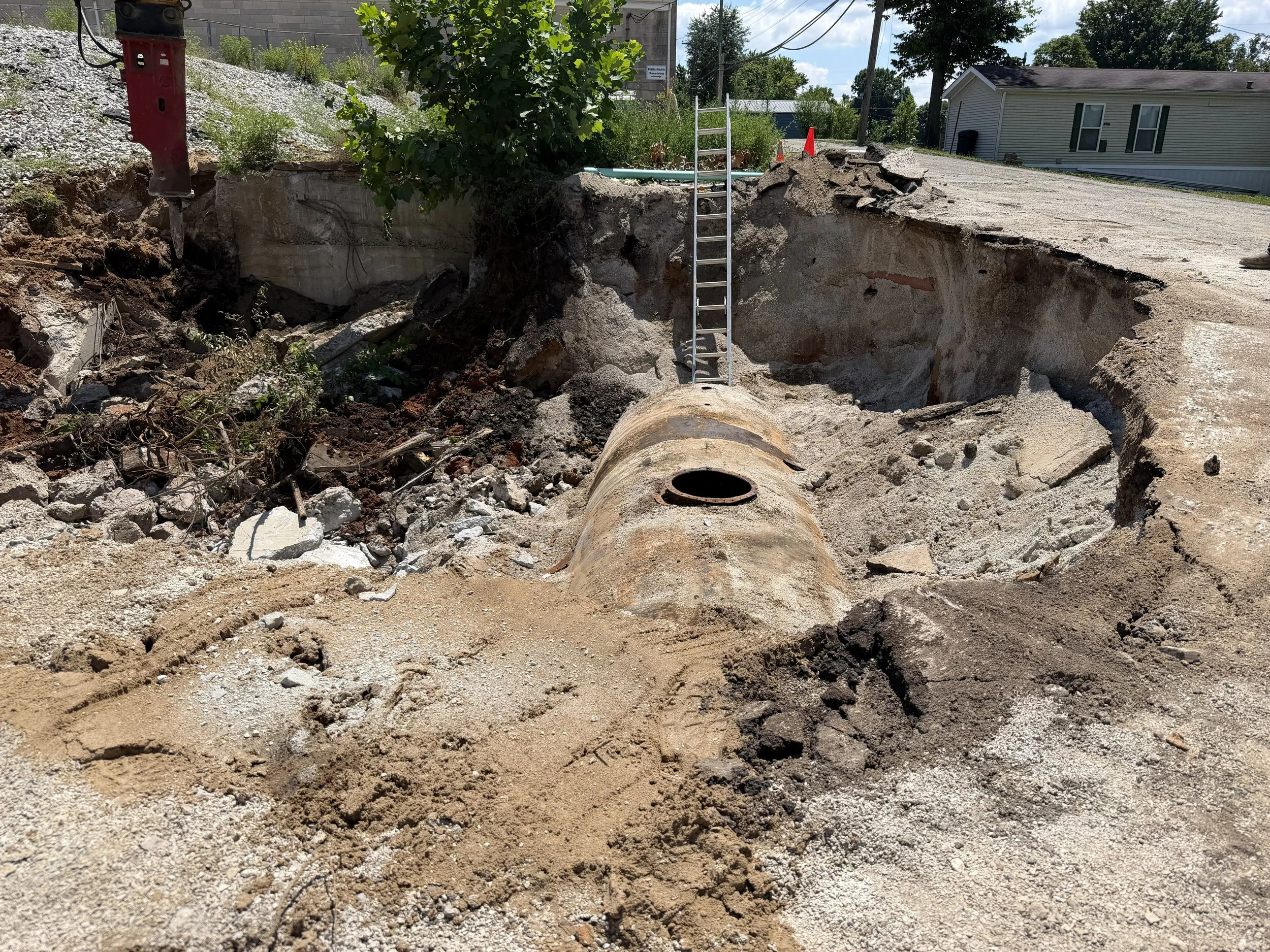
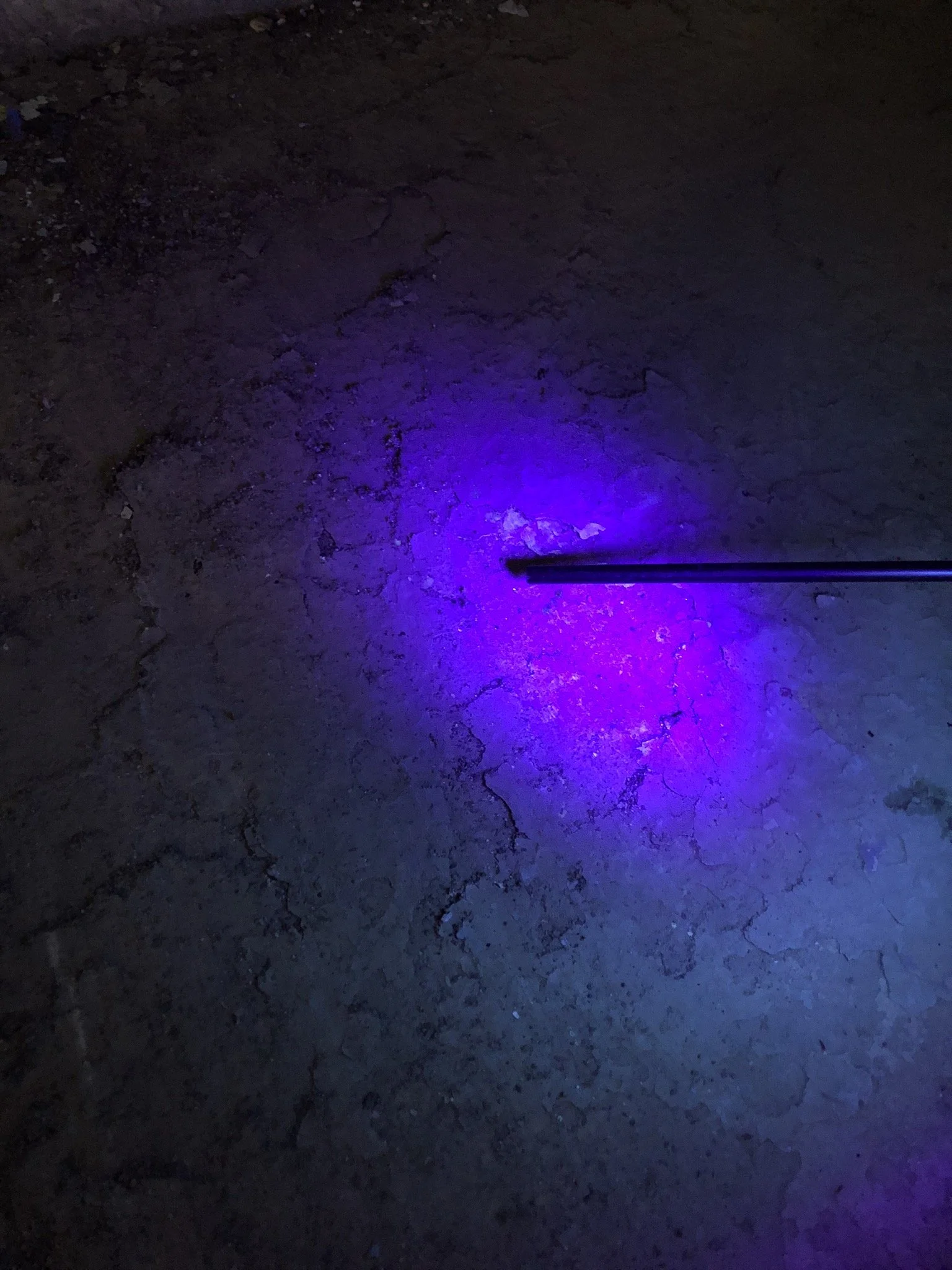
Petroleum releases from underground storage tanks, aboveground storage tanks, piping, equipment, and spills can affect soil and groundwater. VET has extensive experience with petroleum remediation, including sites impacted by gasoline, diesel fuel, heating oil, and other petroleum hydrocarbons. We evaluate available environmental data and develop a cleanup strategy that is right for you. Remediation activities may include contaminated soil removal, proper disposal, treatment, and groundwater monitoring. For more information from IDEM on how leaking underground storage tank releases are investigated and cleaned up, including soil and groundwater characterization, click here.
-
Chlorinated solvents used in dry cleaning, metal degreasing, and industrial operations can remain in soil and groundwater long after a release occurs. Common contaminants include tetrachloroethylene (PCE), also known as perchloroethylene or “perc,” and trichloroethylene (TCE). Under certain conditions, these solvents can break down into daughter products, including dichloroethylene (DCE) and vinyl chloride (VC). VET helps you evaluate chlorinated solvent contamination, develop a remediation strategy, oversee cleanup activities, and address the requirements needed to pursue site closure. For a real-world example, click here to see the EPA’s profile of the Keystone Corridor site in Indianapolis describes PCE and TCE groundwater contamination, identifies cis-1,2-DCE as a breakdown product, and summarizes cleanup actions.
-
Heavy metals in soil and groundwater can be associated with historical industrial operations, agricultural activities, waste disposal, or naturally occurring conditions. VET has experience evaluating and addressing metals contamination, including arsenic, and has managed a large mercury remediation project. Depending on the source, concentrations, potential exposure, and cleanup requirements, remediation options may include contaminated soil removal, treatment, containment, or other management measures. We help you evaluate the available options and select an approach appropriate for your property. Click here for information from the EPA summarizing cleanup approaches for metals in soil. Click here for the EPA’s descriptions of treatment technologies for arsenic and mercury in soil, waste, and water.
-
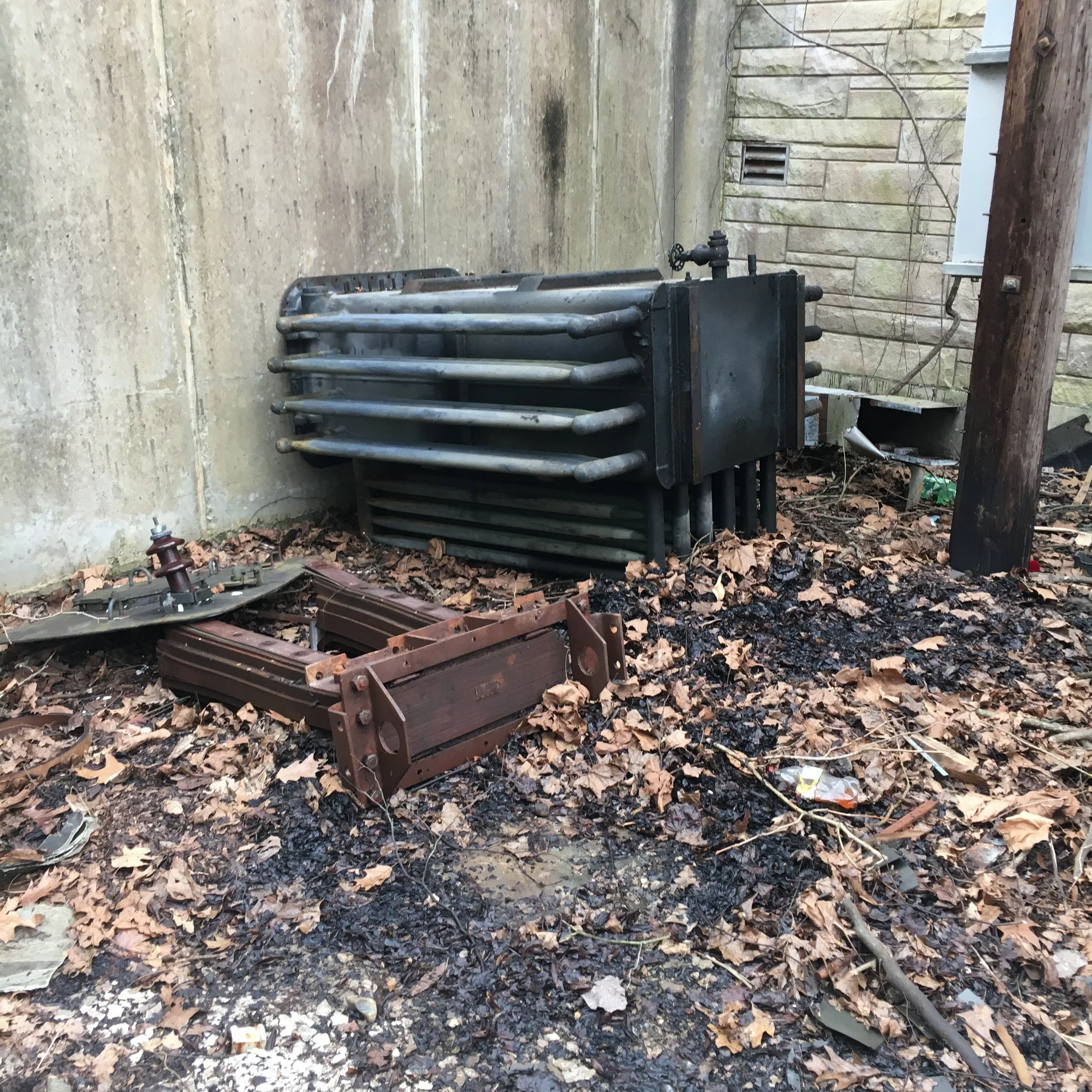
Polycyclic aromatic hydrocarbons (PAHs) can be associated with petroleum products and historical industrial activities, while polychlorinated biphenyls (PCBs) were used in certain electrical equipment and industrial materials. VET frequently works with PAH-impacted sites and has completed several large PCB cleanup projects. We evaluate the extent of contamination and applicable requirements, then help coordinate a practical response that is right for you. Work may include excavation, proper handling and disposal of contaminated materials, confirmation sampling, and regulatory reporting. Click here for the EPA’s description of risk-based cleanups for sites affected by PAHs and here for their outline for cleanup and disposal options for PCB remediation waste.
-
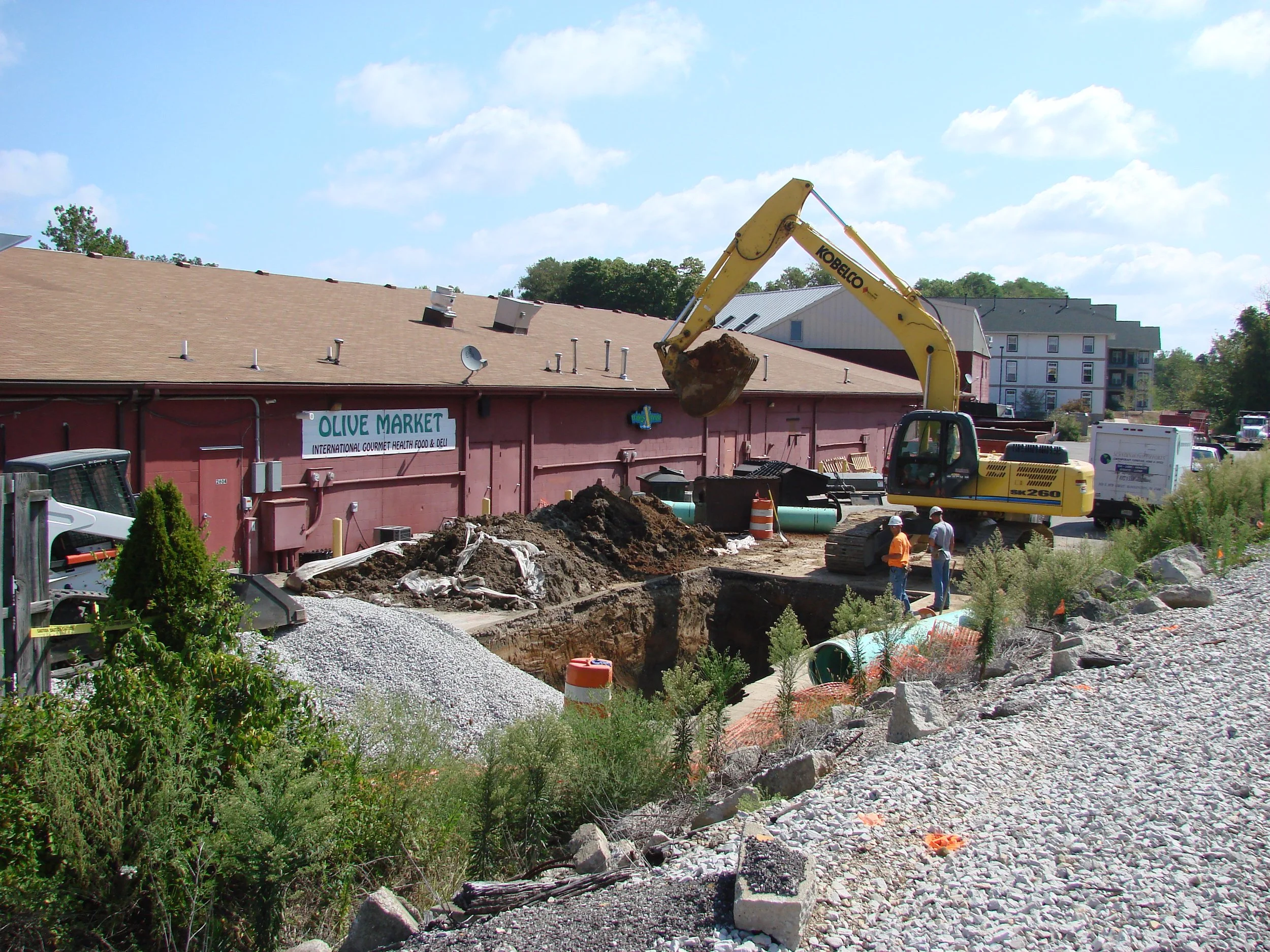
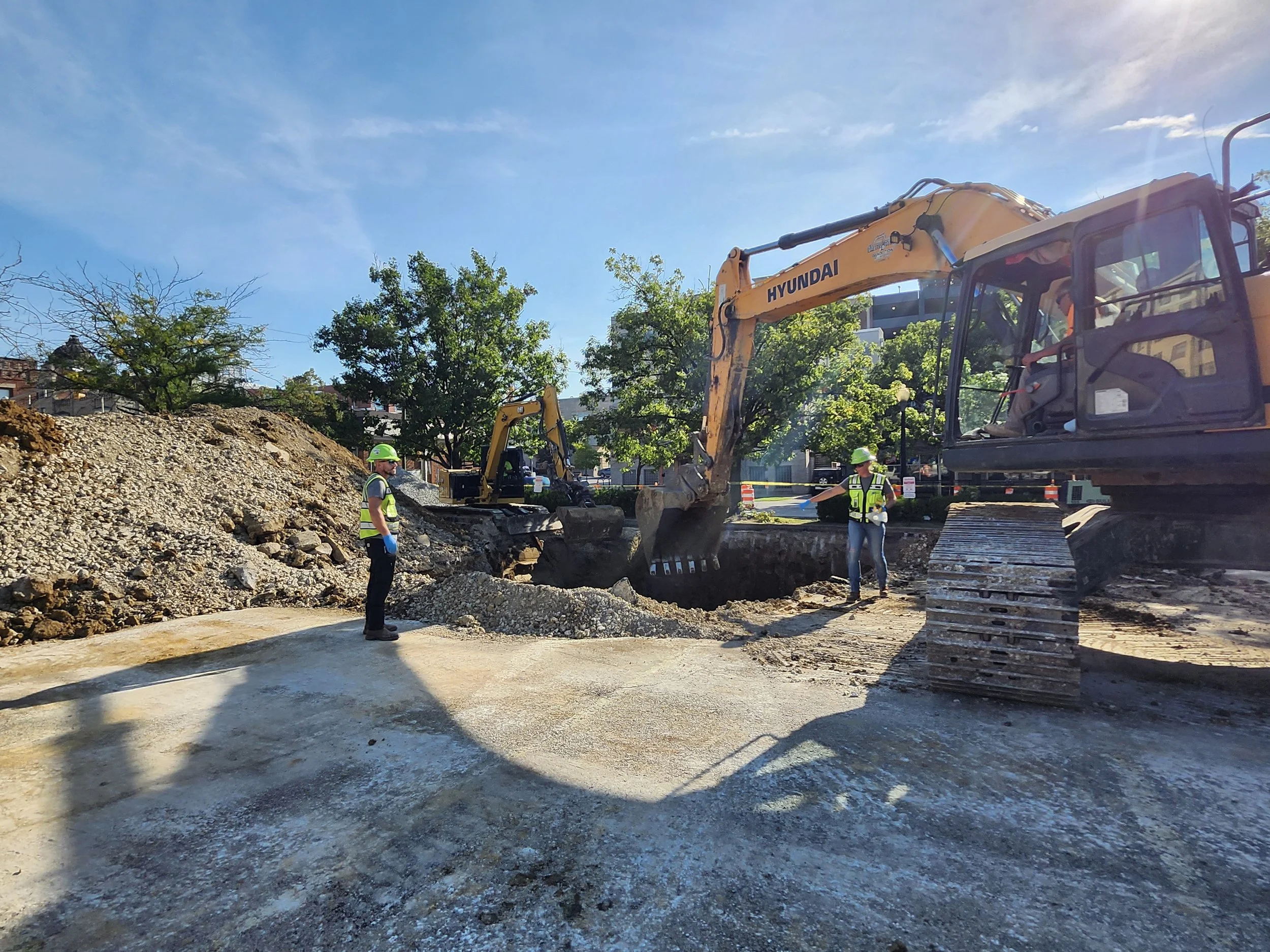
The right team depends on the size and complexity of your environmental cleanup. For many projects, VET coordinates and oversees subcontractors performing specialized soil and groundwater remediation activities. For smaller projects, our team may perform the remediation directly. Throughout the project, we provide technical oversight, coordinate field activities and sampling, and keep you informed so the work stays aligned with your remediation plan, timeline, and goals. Click here for the EPA’s outline of the main stages of site cleanup, from investigation and remedy design through implementation and ongoing monitoring.
-
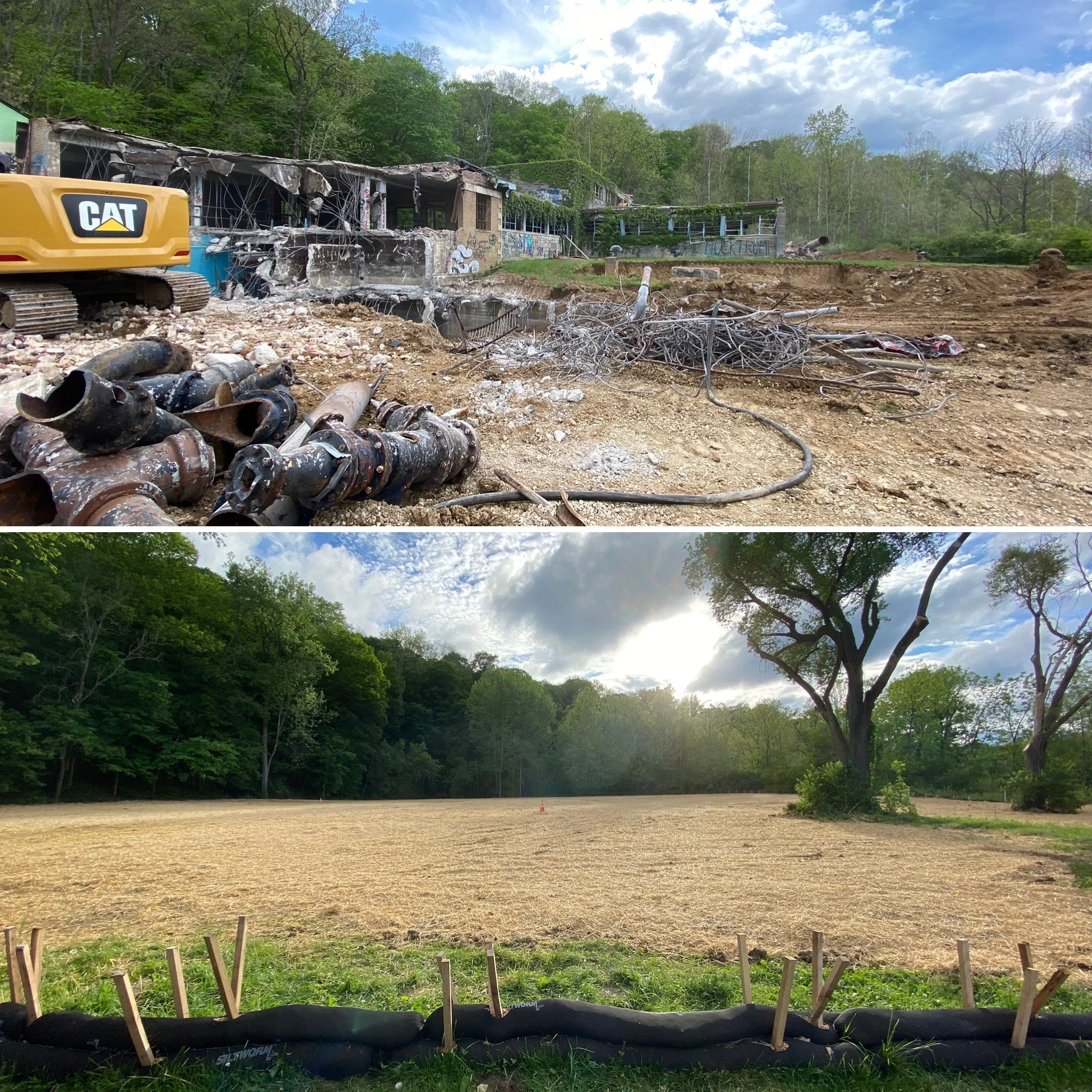
Completing the cleanup is an important step, but confirmation sampling, groundwater monitoring, reporting, and regulatory review may be needed before a site can be closed. VET handles agency coordination and prepares remediation reports and closure documentation to support the site closure process. If contamination remains or a closure includes ongoing obligations or property restrictions, we help you understand what those conditions mean for your property and your future plans. View IDEM’s guidance explaining Indiana’s risk-based closure approach here and how monitoring or property restrictions may be part of a site’s closure here.