
How can we help you?
Demolition can become more complicated when a building contains hazardous materials or sits on environmentally impacted property. VET provides demolition oversight and environmental project management to help you address those conditions and move your project forward. We coordinate and oversee demolition subcontractors, evaluate environmental concerns, and help manage the investigation, remediation, waste disposal, agency coordination, and reporting needed for your site. Whether you are preparing an industrial facility for redevelopment or addressing a fire-damaged structure, we develop an approach tailored to your property and project goals.
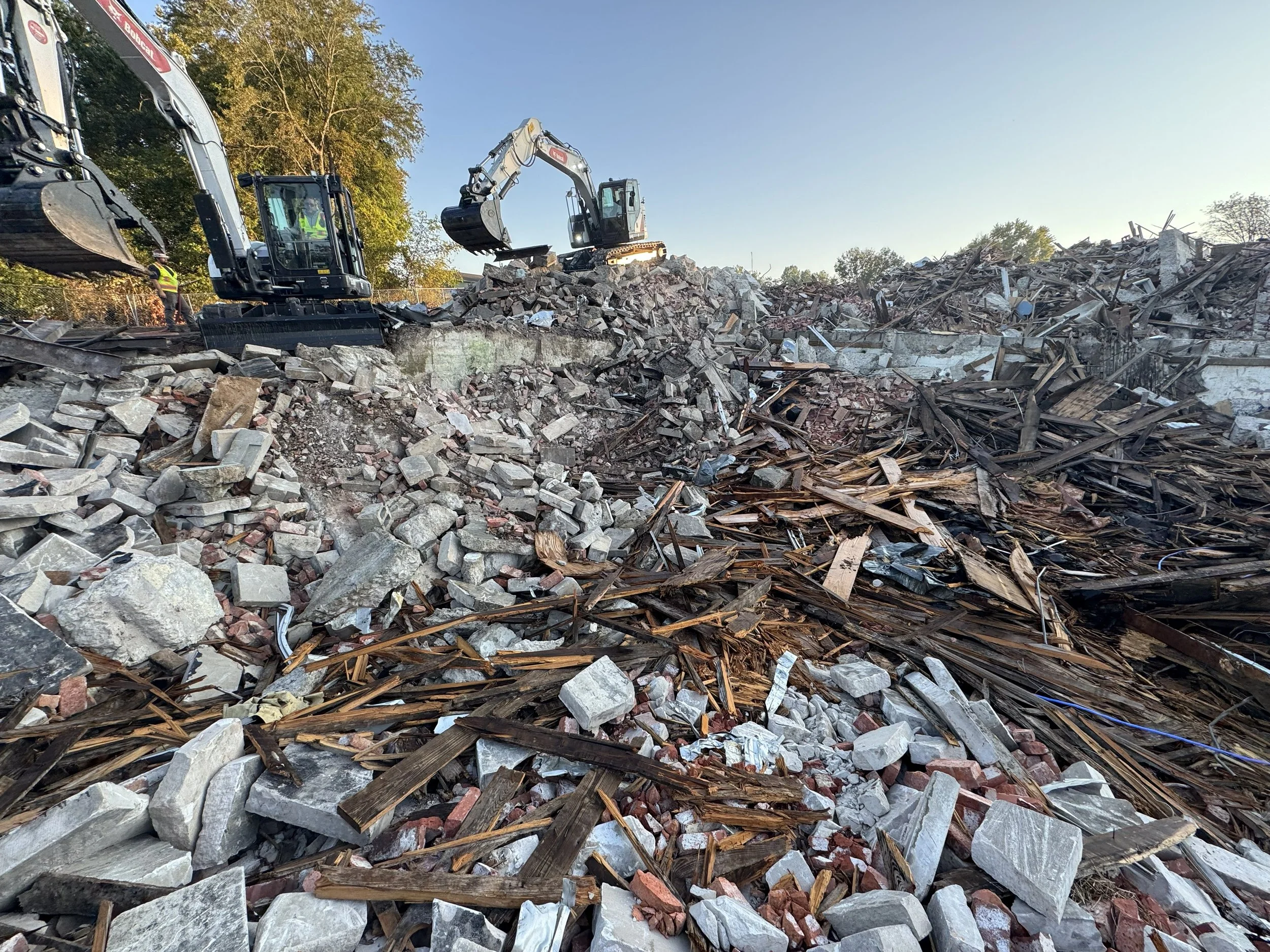
-
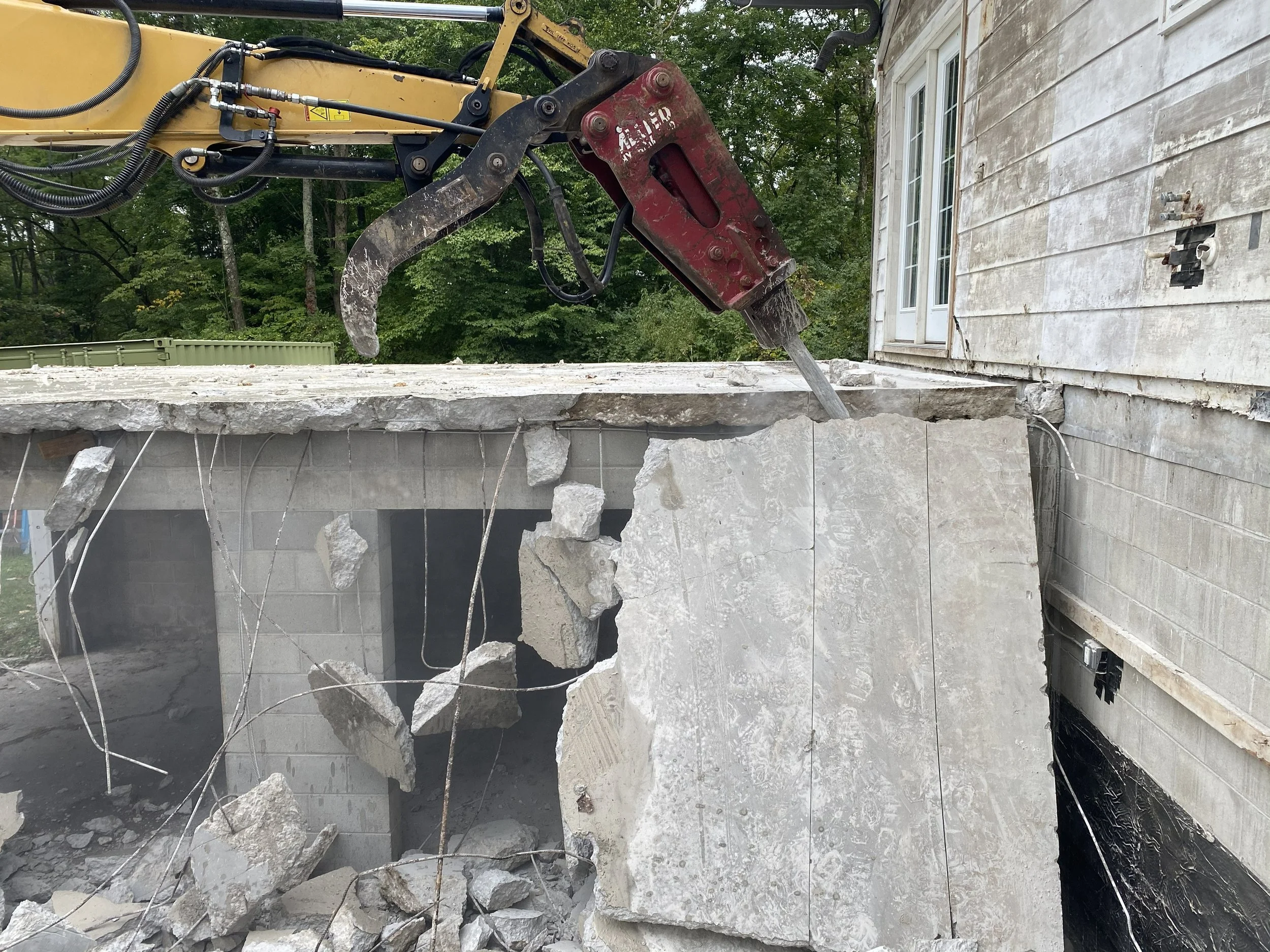
Buildings and the properties beneath them can contain asbestos, lead-based paint (LBP), polychlorinated biphenyls (PCBs), petroleum products, or other contaminants that require special consideration during demolition. Without appropriate planning, demolition activities can disturb contaminated materials, spread impacts, or complicate waste disposal and site cleanup, adding cost and time. VET helps identify environmental concerns before work begins, coordinates with demolition contractors, and provides technical oversight throughout the project to help keep your cleanup and redevelopment plans on track. For background on the assessment, cleanup, and redevelopment challenges that can arise at potentially contaminated properties, click here for more information from the EPA’s Brownfields Program.
-
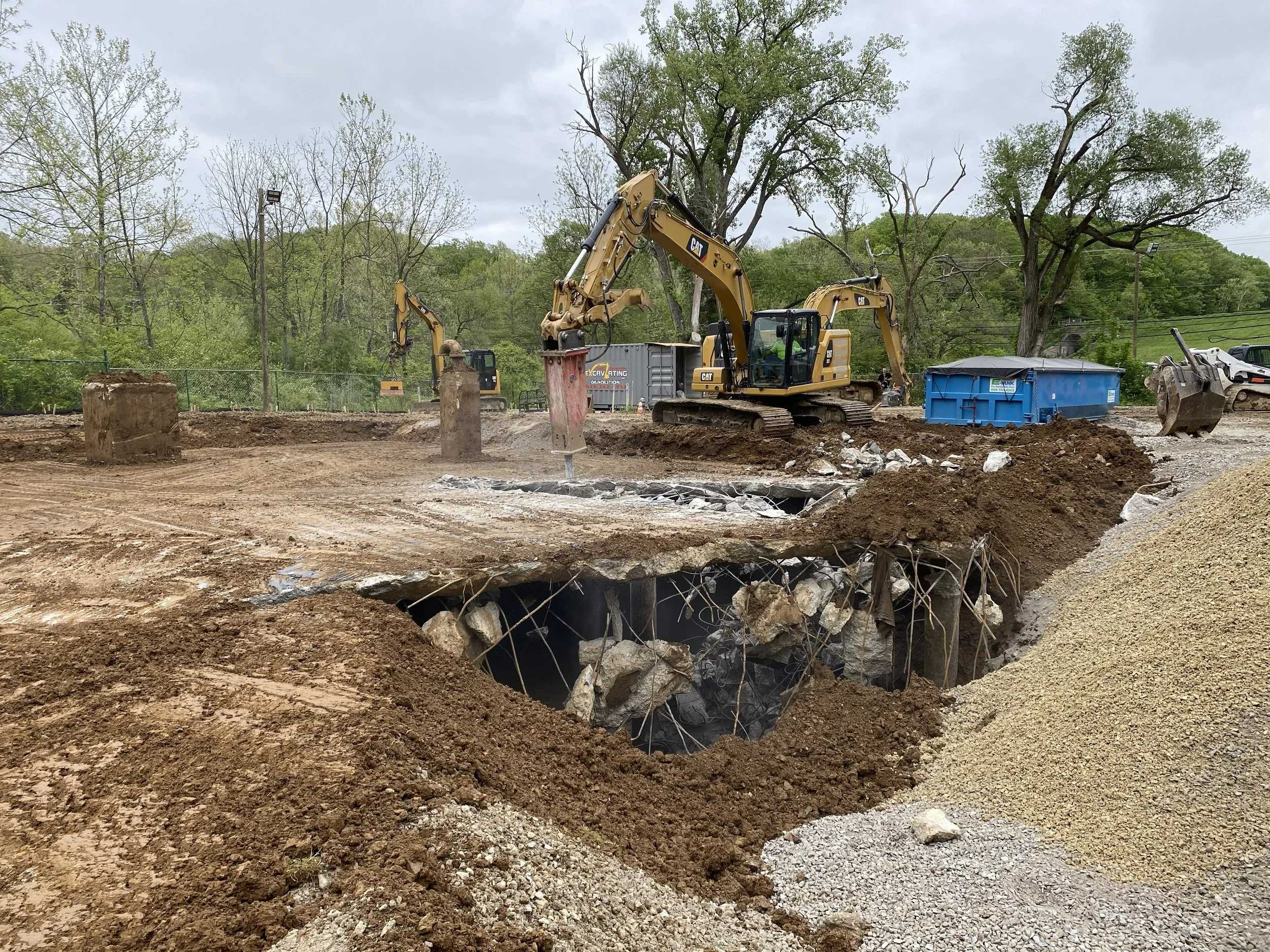
At some industrial and commercial properties, buildings, concrete floors, foundations, or equipment can limit access to contamination inside or beneath a structure. In these situations, demolition may be an important step in completing an environmental investigation or remediation. VET helps coordinate the sequence of work—from evaluating building materials and overseeing demolition to investigating accessible areas and addressing contaminated soil or other impacted materials. Our goal is to help you remove obstacles to cleanup while keeping the broader project in focus and the cost low. The EPA’s Brownfields Road Map outlines the site investigation and cleanup process and how it can support a property’s reuse.
-
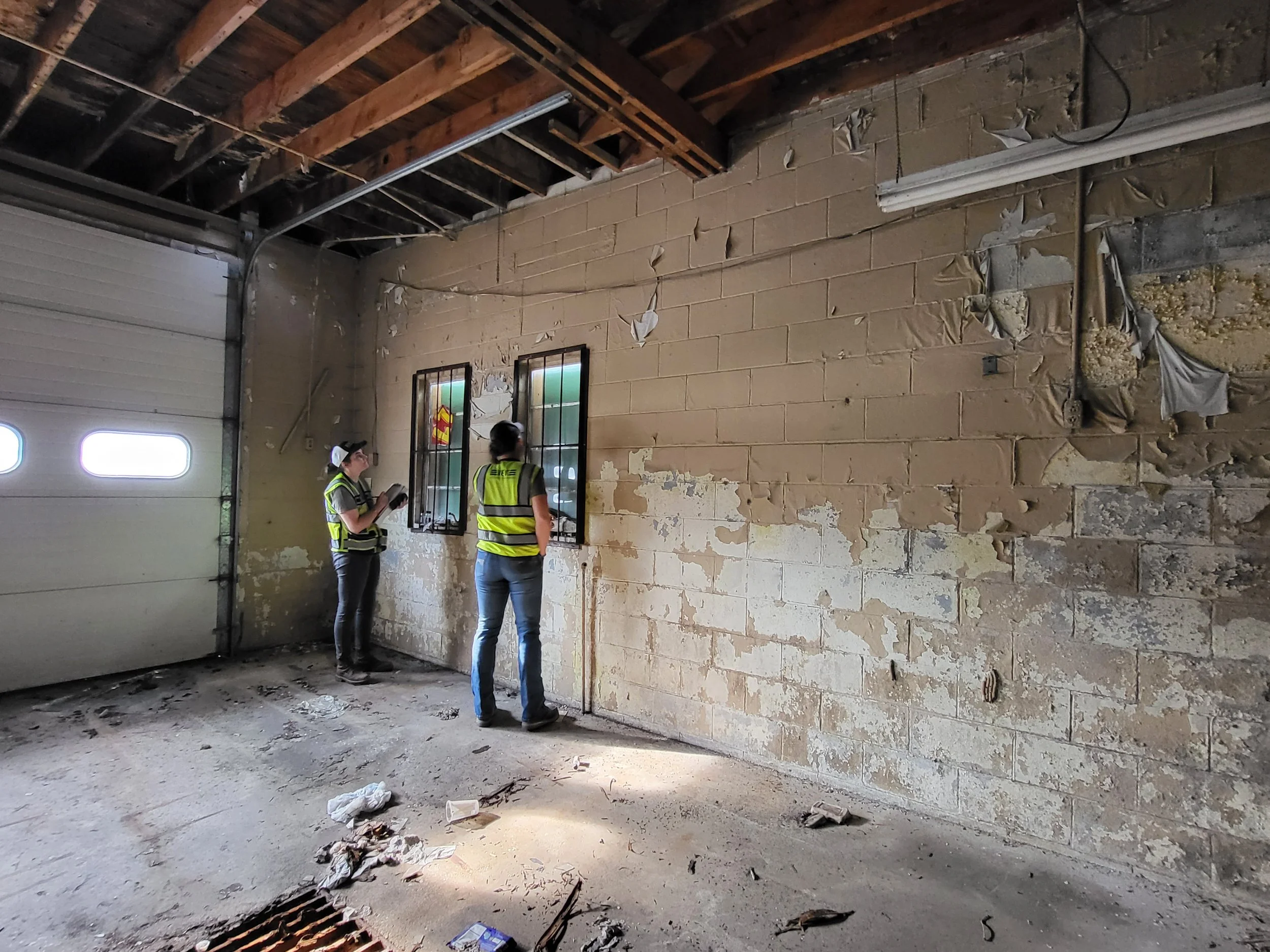
Asbestos-containing building materials and lead-based paint are common concerns during the demolition of older structures. Disturbing these materials can create dust and affect how debris must be handled and disposed of. Depending on the project and applicable requirements, inspections, sampling, abatement, dust controls, notifications, or specialized disposal may be needed. VET helps you understand the environmental conditions at your building and coordinates with the appropriate contractors to address asbestos, lead paint, and other concerns as part of your demolition project. See IDEM’s explanation of asbestos inspection requirements before demolition, and the EPA’s description of practices that can reduce lead dust and debris during demolition.
-
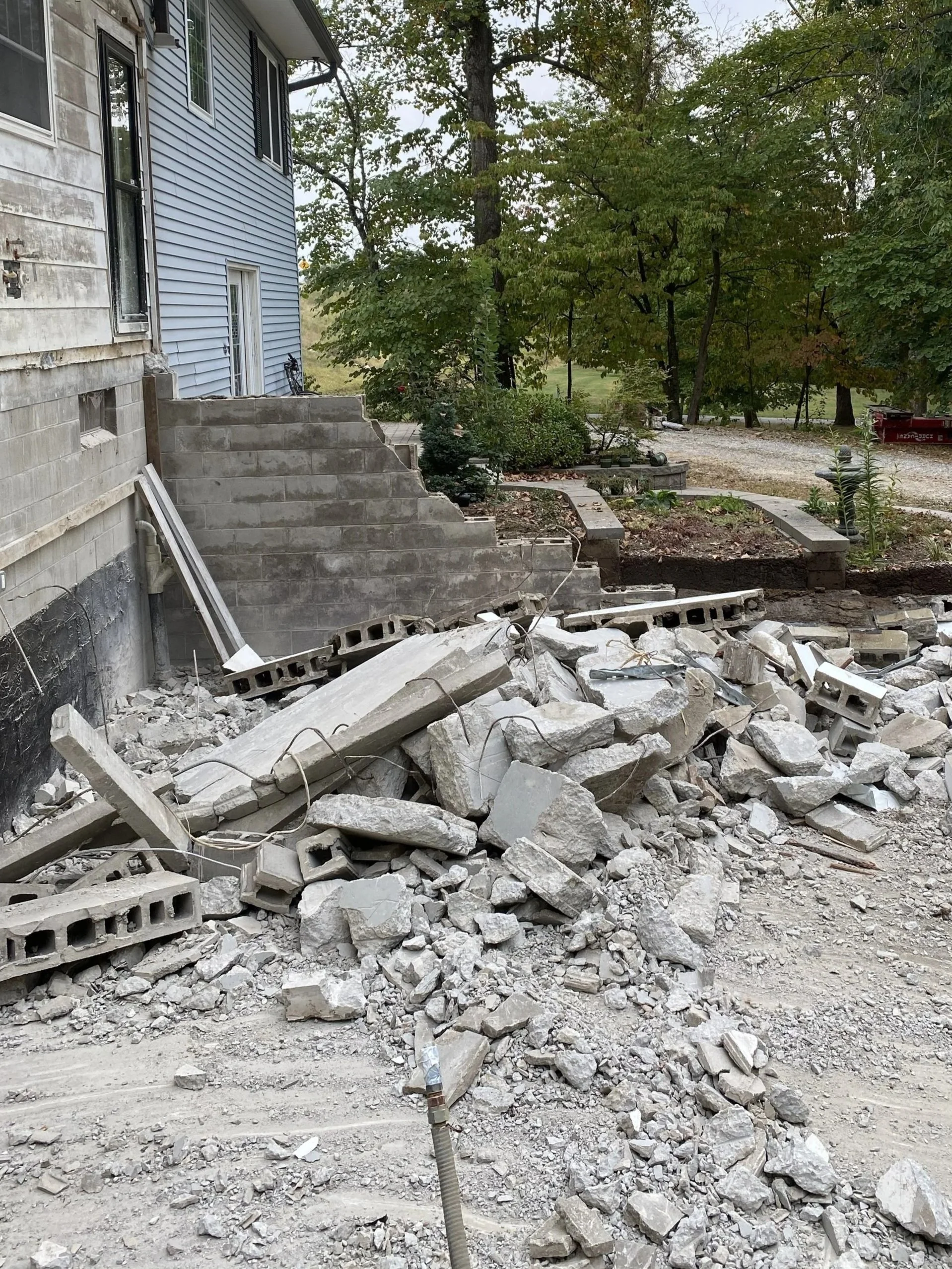
Demolition after a fire can be especially challenging when a damaged building contains asbestos or other hazardous materials. Structural instability may affect access, inspection, debris handling, and the demolition approach. A planned controlled burn or fire training exercise can also require environmental inspections, notifications, and removal of materials before the burn. VET helps evaluate these concerns, coordinate with demolition and asbestos contractors, and communicate with the appropriate agencies to address requirements specific to your project. Click here for more information from IDEM on the approval and asbestos-removal requirements for open burning of a structure.
-
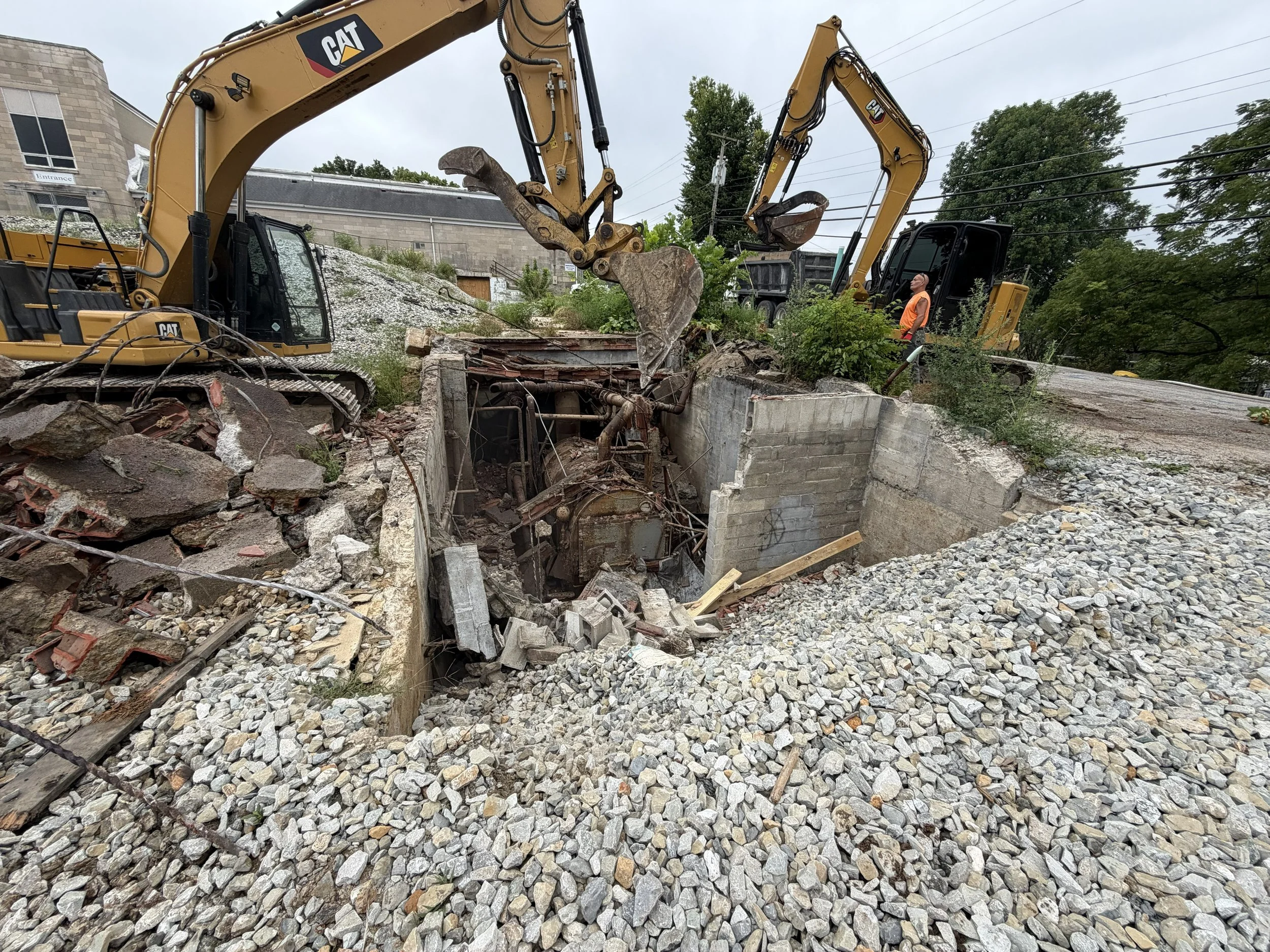
For regulated demolition projects in Indiana, the Indiana Department of Environmental Management (IDEM) generally requires a Notification of Demolition and Renovation Operations to be submitted at least 10 working days before demolition begins, even if no asbestos is identified. Certain residential projects may be exempt, and special circumstances can affect notification requirements and timing. VET helps you understand which requirements apply, coordinate asbestos inspections and project information, and work with IDEM and other appropriate agencies as your demolition project moves forward. IDEM’s notification guidance explains which demolition projects require notice and the waiting period before work begins.
-
Demolition on property impacted by polychlorinated biphenyls (PCBs) requires careful attention to building materials, soil, equipment, and waste generated during the project. Demolition activities can affect access to PCB-contaminated areas and influence how materials are handled and disposed of. VET has experience with large PCB cleanup projects and helps coordinate demolition and remediation activities, evaluate contaminated materials, and oversee the work needed to move your property toward cleanup and redevelopment. The EPA’s building-materials guidance explains how PCB-containing products and potentially affected building materials may need to be evaluated and managed during removal and disposal.

-
Demolition projects can generate concrete, building debris, soil, asbestos-containing materials, lead-impacted waste, and other materials that require evaluation before disposal. VET helps identify and characterize waste streams, coordinate analytical sampling when needed, and determine appropriate handling, transportation, recycling, or disposal options. We also assist with environmental documentation and regulatory coordination, helping you manage demolition waste in a way that fits the conditions and requirements of your project. Click here for more information from IDEM on how construction and demolition waste must be handled and where it may be accepted. Click here for an outline from the EPA on how generators determine whether waste is hazardous.
LICENSED



CERTIFIED




“As far as I’m concerned, your company has been my favorite company to work with all year.”