

How can we help you?
An environmentally impacted property can present challenges—but it can also be an opportunity. VET helps property owners, developers, municipalities, and investors understand environmental concerns and develop practical strategies for brownfield redevelopment in Indiana. From environmental due diligence and site investigation to remediation oversight, agency coordination, and site closure, we work with you to address the conditions at your property and move your redevelopment plans forward.
-
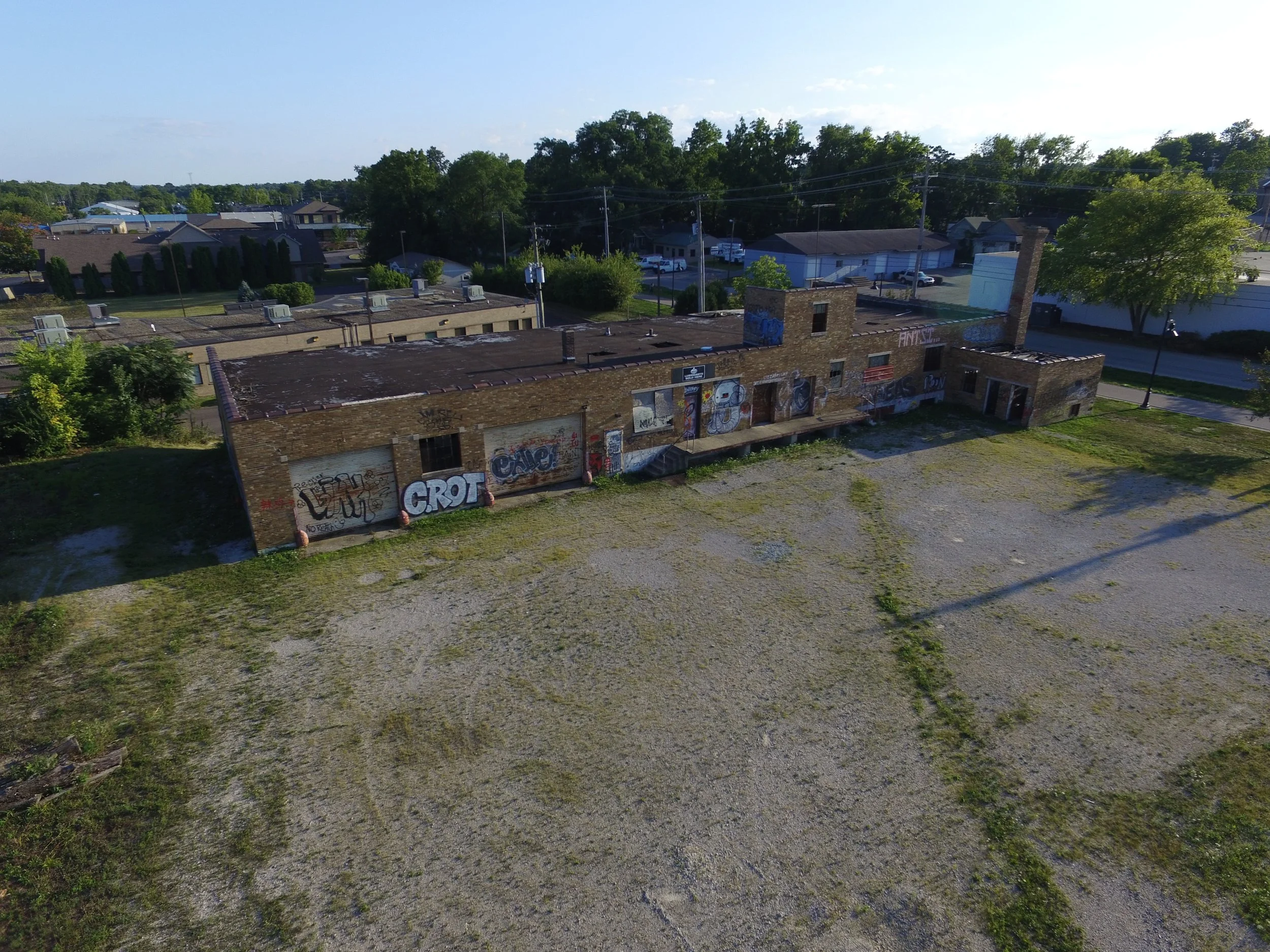
A brownfield is a property where redevelopment, expansion, or reuse may be complicated by the presence or potential presence of contamination. Brownfield properties can include former industrial facilities, manufacturing plants, gas stations, dry cleaners, commercial buildings, and other properties with a history of activities that may have affected the environment. A property does not have to be abandoned or have confirmed contamination to present a potential brownfield concern. VET helps you evaluate the property’s history and environmental conditions so you can make informed decisions about its future. View EPA’s general definition of a brownfield, which includes properties where the potential presence of contamination may complicate redevelopment here.
-
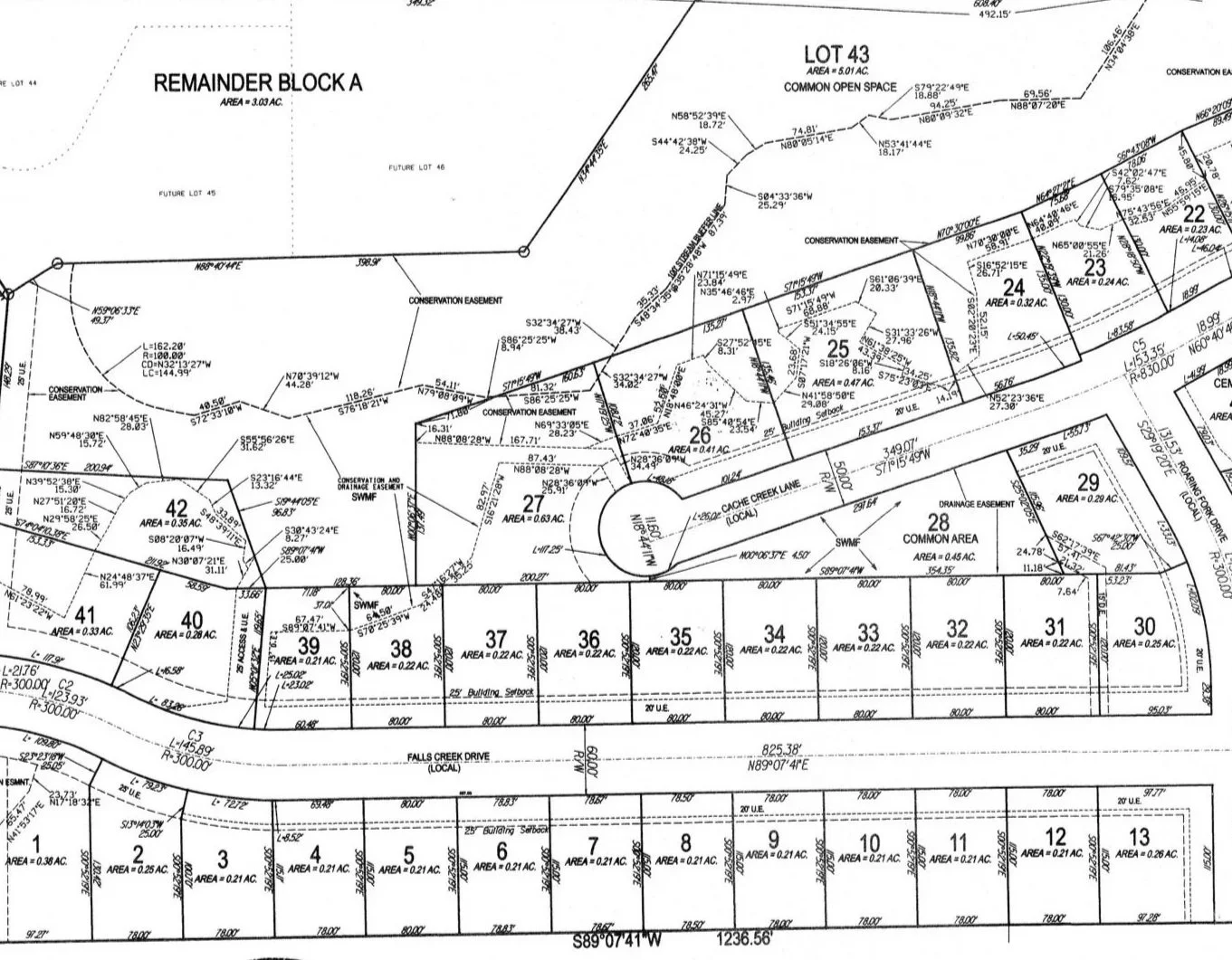
Brownfield investigations often begin with a Phase I Environmental Site Assessment (ESA), which evaluates current and historical property uses for potential environmental concerns. If additional investigation is warranted, a Phase II ESA may include collecting soil, groundwater, soil gas, or other samples to determine whether contamination is present. VET develops targeted environmental investigations based on your property’s history and proposed use, helping you understand potential risks and avoid unnecessary work. View EPA’s overview of Phase I and Phase II environmental site assessments, including sampling to identify contaminants and affected areas here.
-
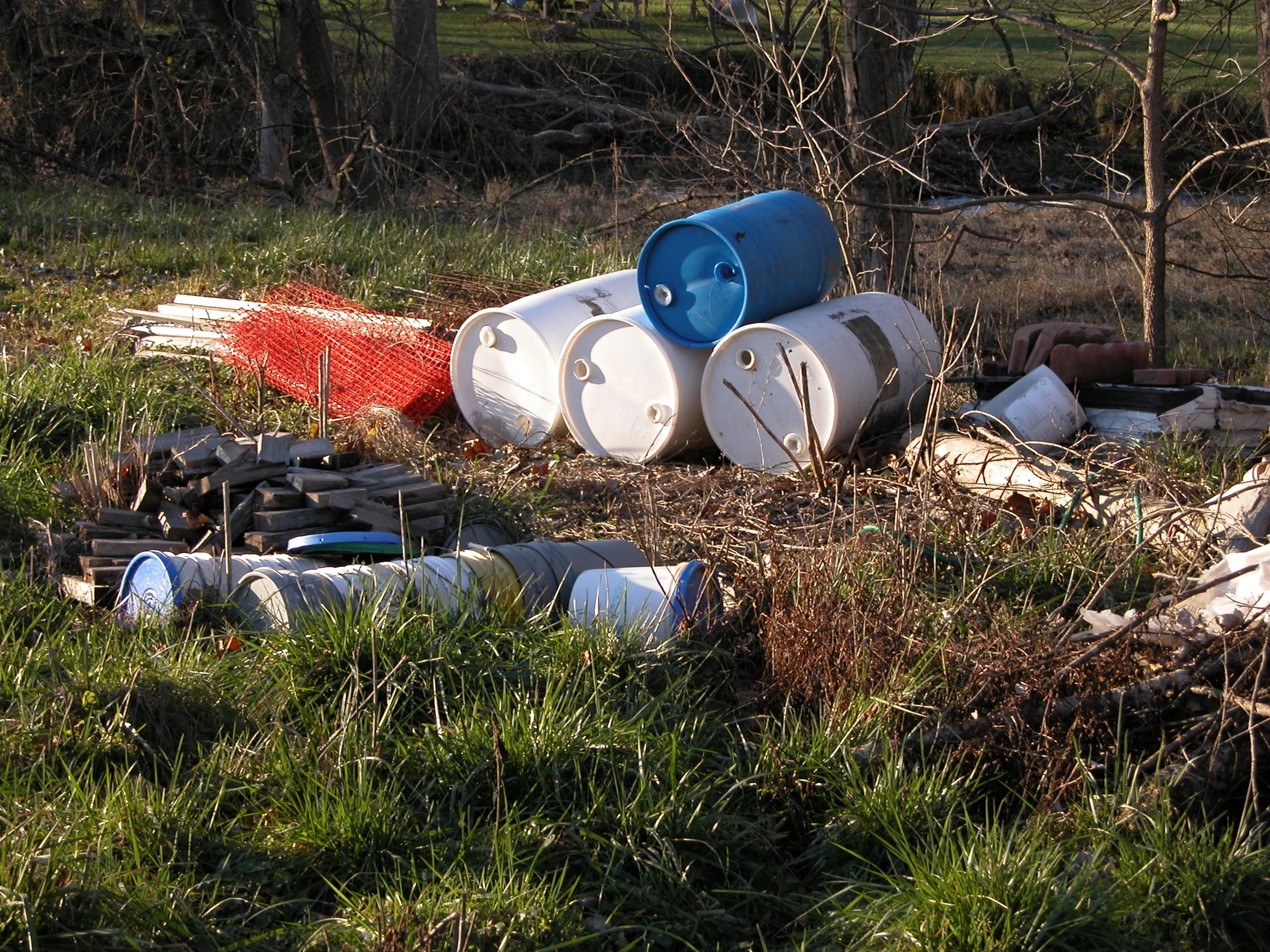
Brownfield sites may be affected by petroleum hydrocarbons, chlorinated solvents, heavy metals, polycyclic aromatic hydrocarbons (PAHs), polychlorinated biphenyls (PCBs), or other contaminants associated with historical operations. Building materials may also contain asbestos or lead-based paint, while underground storage tanks and vapor intrusion can create additional concerns. VET evaluates the conditions relevant to your site and helps you understand how they may affect cleanup, construction, property use, and redevelopment. View EPA’s list of contaminants commonly found at brownfield sites, including petroleum, PAHs, PCBs, asbestos, lead, and arsenic here.
-
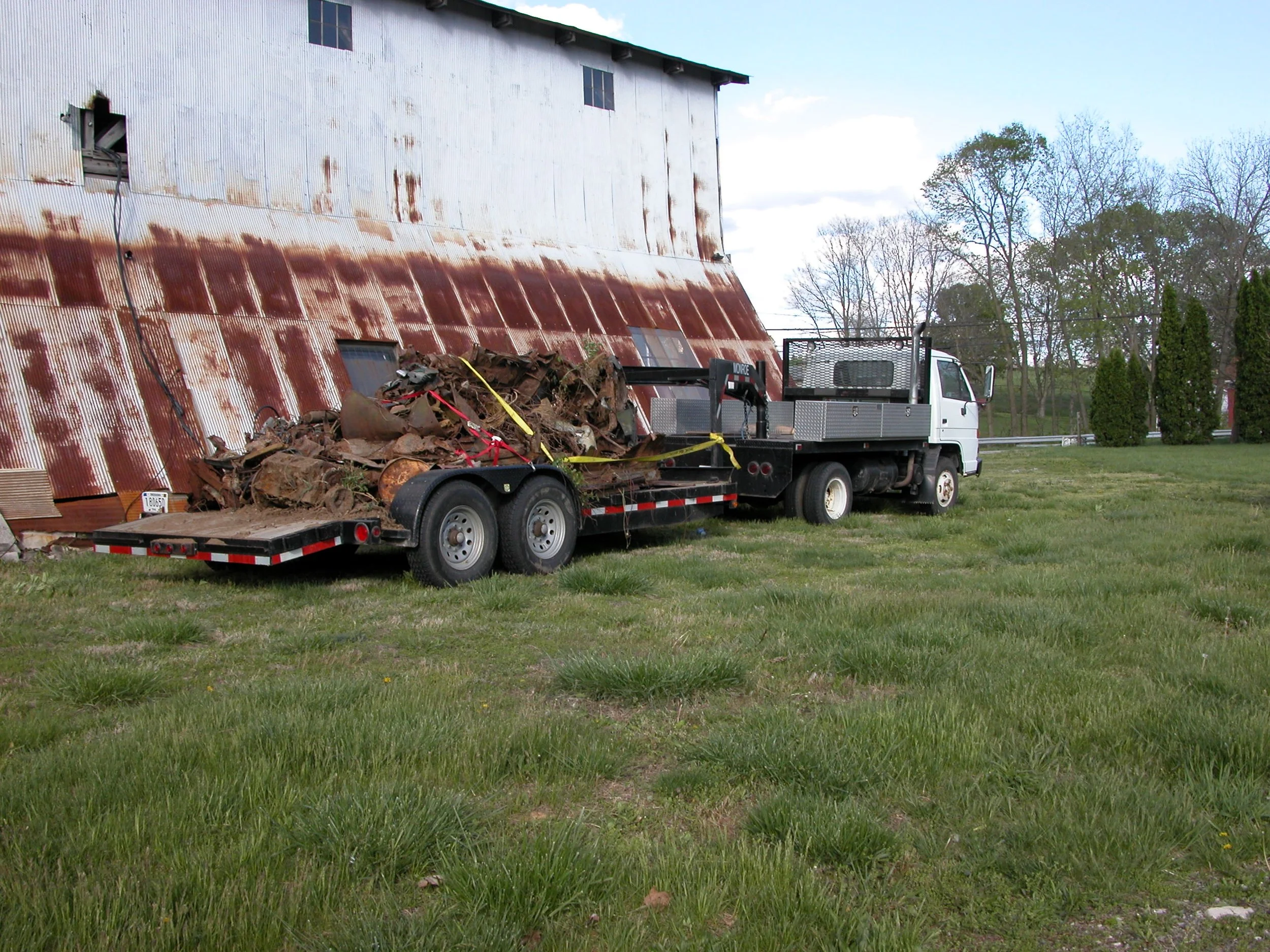
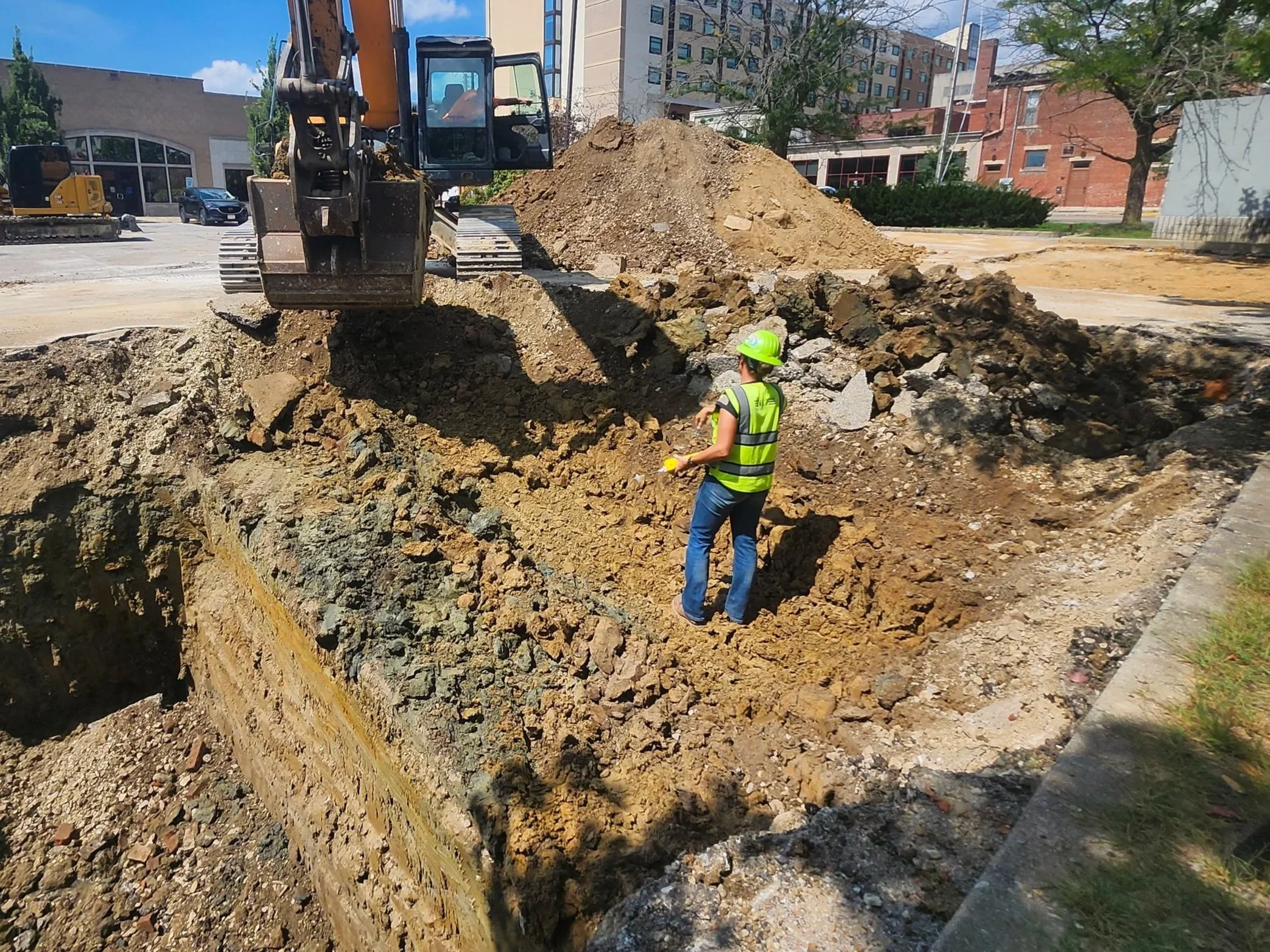
Brownfield remediation depends on the contaminants present, site conditions, potential exposure, and the property’s intended use. A cleanup strategy may include removing contaminated soil, addressing underground storage tanks, treating or monitoring groundwater, managing soil vapor, or using other appropriate controls. In some cases, demolition may be needed to access contamination beneath a building. VET develops practical remediation strategies and coordinates and oversees subcontractors to help address environmental conditions while supporting your redevelopment schedule and goals. View EPA’s overview of risk-based cleanups, which explains how cleanup decisions can account for a property’s intended use here and IDEM’s technical guidance on Indiana cleanup approaches and monitoring here.

-
The Indiana Brownfields Program helps communities and other eligible participants address environmental barriers to property redevelopment. The program can provide technical assistance, financial assistance, and liability clarification for qualifying projects. Depending on the circumstances, coordination may involve the Indiana Finance Authority (IFA), the Indiana Department of Environmental Management (IDEM), or other agencies. VET helps you understand your site’s environmental conditions and can coordinate with the appropriate agencies as your brownfield project moves forward. View the Indiana Brownfields Program’s summary of its technical, financial, and legal assistance here.
-
Financial assistance may be available to help eligible applicants assess, investigate, clean up, and redevelop brownfield properties. Potential resources include the Indiana Brownfields Program, U.S. Environmental Protection Agency (EPA) brownfield grants, and funding administered through certain local or regional organizations. Funding opportunities and eligible activities vary by program, applicant, property, and available funds. VET can help you understand the environmental work your project may need as you explore potential brownfield assessment and cleanup funding. View IFA’s financial assistance options for brownfield projects here and EPA’s overview of brownfield grant types and eligibility here. Funding availability and eligibility vary by program.
-
Questions about environmental liability can make it difficult to buy, sell, finance, or redevelop a property. Environmental due diligence, agency coordination, and an understanding of applicable requirements are important steps in evaluating those concerns. Depending on the circumstances, the Indiana Brownfields Program may provide a comfort letter or other liability clarification, while cleanup or site closure may involve ongoing obligations or restrictions. VET helps you understand the environmental information, coordinates with regulatory agencies, and prepares investigation and remediation documentation to support your project’s path forward. View the Indiana Brownfields Program’s explanation of Comfort and Site Status Letters, including the limits of liability clarification here, and IDEM’s guidance on cleanup, monitoring, and property restrictions at closure here. A Comfort Letter is not a legal release from liability.